Kurdistan Economy / DNO Hits 500 Million Barrel Milestone as Commitment to Kurdistan Deepens
DNO Hits 500 Million Barrel Milestone as Commitment to Kurdistan Deepens
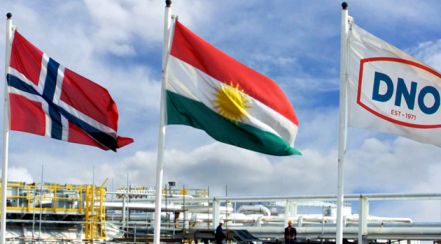
The Norwegian energy giant DNO has officially surpassed a historic milestone, producing more than 500 million barrels of oil from its operations in the Kurdistan Region since 2004. The achievement was celebrated during a high-level event in Erbil this Wednesday, where company executives reaffirmed their long-term dedication to the Region's energy sector.
“Kurdistan is part of DNO's DNA,” stated Executive Chairman Bijan Mossavar-Rahmani. He emphasized that the company has become synonymous with the Region’s oil industry and expressed a strong desire to remain deeply involved in future developments.
Mossavar-Rahmani praised the “incredible partnership” with local authorities, citing the Region's contractual stability and investor-friendly climate as key reasons for their continued presence despite regional security challenges. “We have felt safe and supported, and we want to continue being an important part of the oil industry here,” he added.
Operational Expansion and Export Continuity
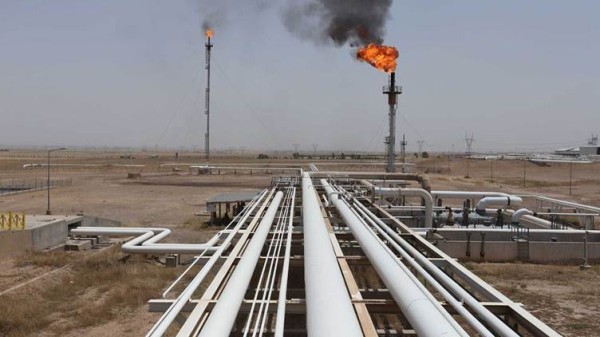
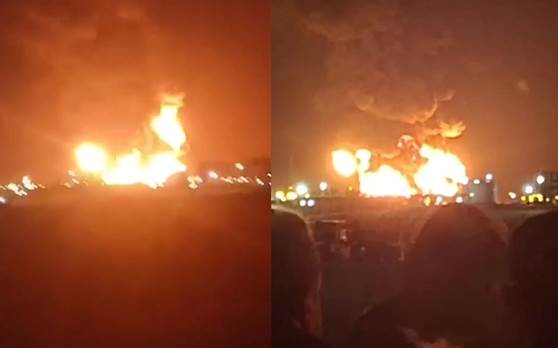
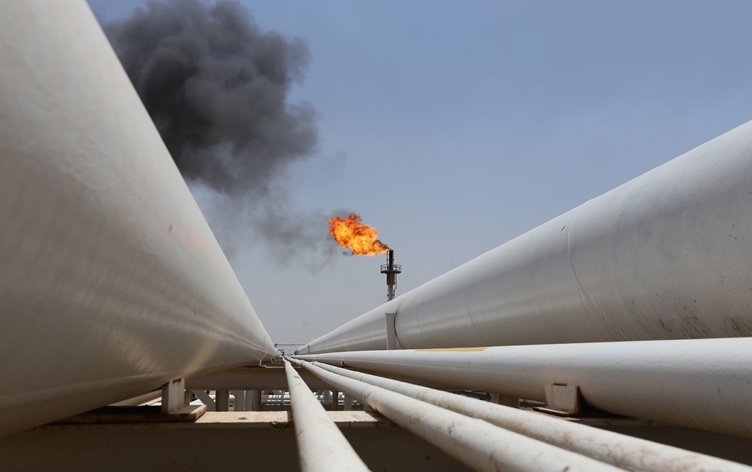
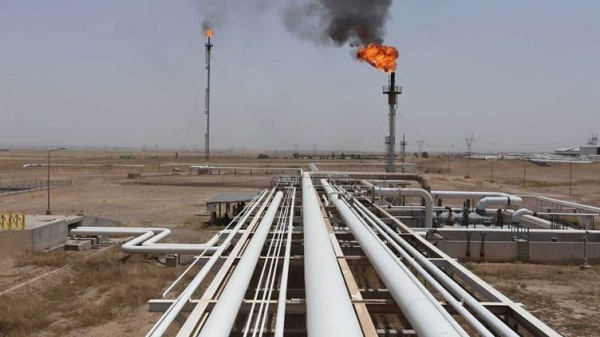
DNO, currently the leading international operator in the Region, manages the prolific Tawke and Peshkhabur fields in Duhok province. Despite facing security threats and drone attacks throughout 2025, the company is ramping up its activity. Late last month, DNO announced it would begin a new drilling campaign, including eight new wells in the Tawke license, aiming to further boost production capacity.
The resurgence in activity follows the successful implementation of a tripartite agreement between Erbil, Baghdad, and international oil companies (IOCs). This deal, reached in late September, facilitated the resumption of crude exports through the Iraq-Turkey pipeline.
Acting Minister of Natural Resources Kamal Mohammed confirmed that the export mechanism remains stable. He noted that approximately 22 million barrels of oil have already been delivered to the State Oil Marketing Organization (SOMO) under this framework, with nearly $214 million paid to operators for production and transport costs.
Future Outlook and Cost Assessments
While political negotiations to form a new federal government in Baghdad continue, Minister Mohammed reassured that the export agreement would be automatically extended to prevent any disruption. The current framework is expected to remain in place through March 2026.
To provide a more permanent solution for production costs, a contract has been signed with the British consulting firm Wood Mackenzie. The firm will conduct an independent audit to calculate the actual costs of extraction at Kurdish fields, which will eventually replace the current temporary advance of $16 per barrel.
Industry experts suggest that a unified strategy and a focus on "oil integration" will be vital for the sustainable growth of the sector. By securing fair payment structures and maintaining international investment, the Region aims to ensure its energy industry remains a cornerstone of long-term economic stability.